Estimated Read Time: 4 minutes
Small Owls

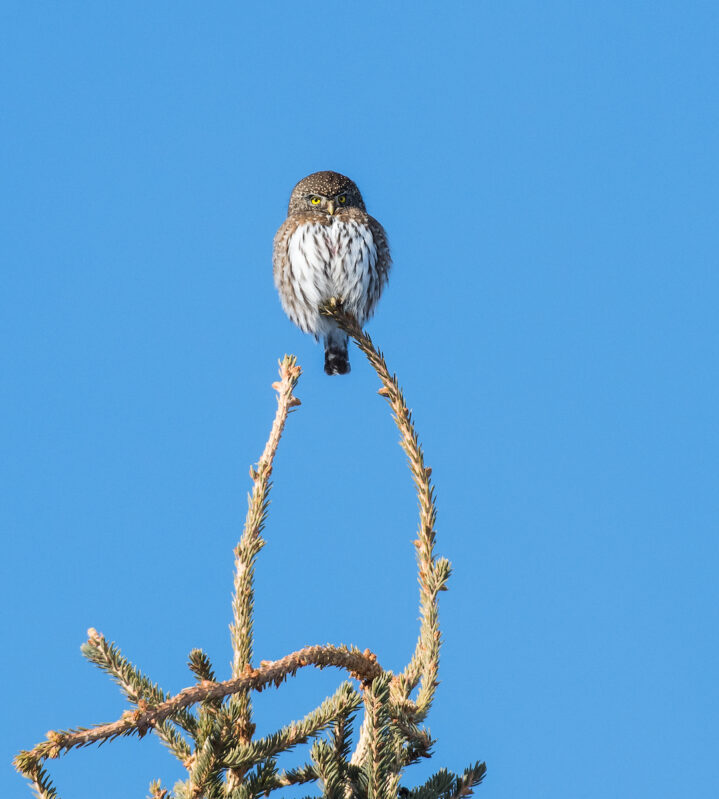
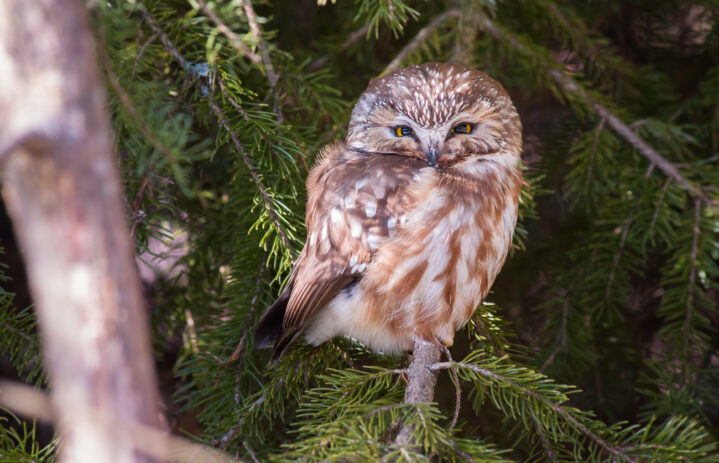
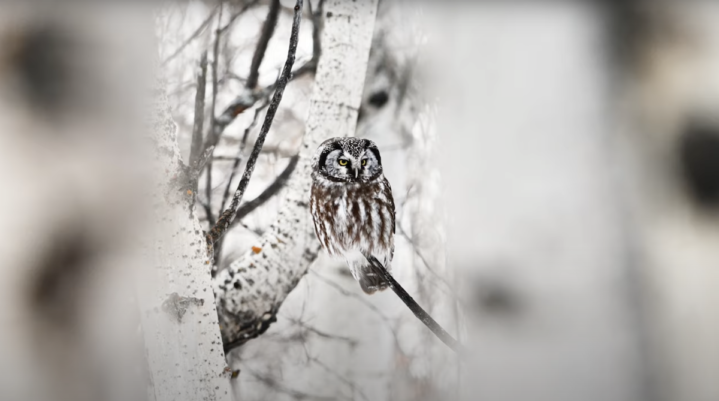
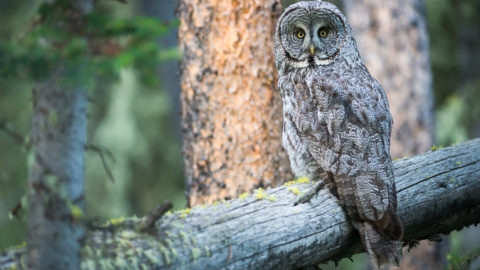
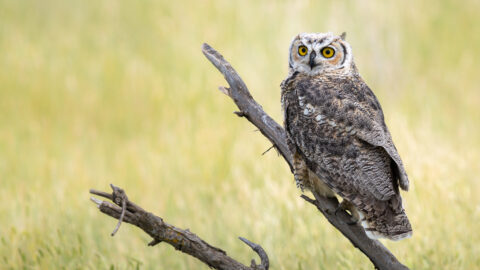
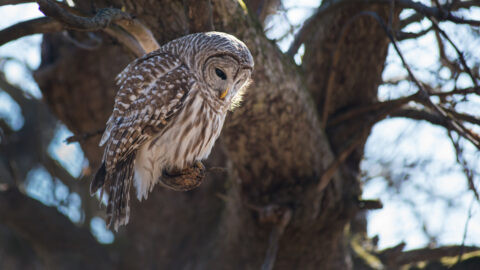

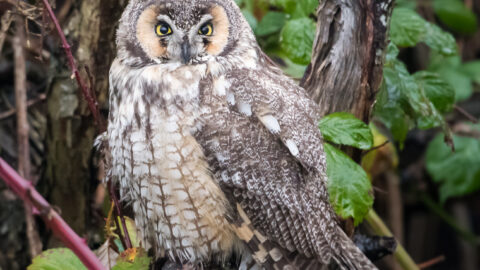
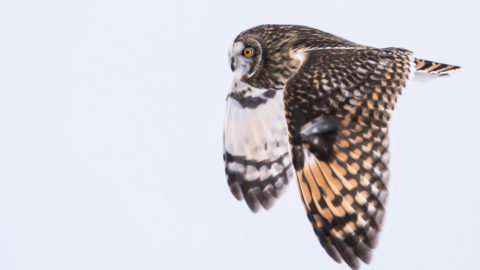
Each of these forearmed-sized, cute balls of pure feathery fury can be found in this ecosystem.
Which might make you wonder: why are there so many tiny owls?
Good question!
In Canada, there are 16 different species of owl that call this land home. An astounding ten owl species can be found in the Robson Valley alone. For the OCD amongst us, in addition to the micro owls, that also includes, from largest to middle sized: great grey, great horned, barred, snowy, long and short eared owls.
Wait, what? There’s a long and a short-eared owl?
Forget why there are so many tiny owls: why in the world are there two owls simply with different shaped ears? And why does Robson need 10 owls or Canada need all 16?

Look, you might understand the value of a great grey ghosting the boreal, assassinating large rodents.
You might even get why a great horned, acclimatized to humans and often found in cities and farm barns, might be helpful in controlling mice and rats where we live.
And the burrowing owl is very small, very cute and very endangered so that means it must matter, right?
But the rest of these winged clowns?
Well, here’s the thing: just because it doesn’t seem obvious, doesn’t mean they don’t play equally important roles in our ecosystems.
You see, each owl is a specialist in food chain management. They keep biodiversity’s teeter-totter perfectly balanced, so that various species of vole, mole, shrew, gopher, mouse, rat and squirrel don’t overrun the joint.
Which is a concern – whether you run a farm or a forest.
The long-eared owl, for example, is a late evening and nocturnal hunter, feasting on mid-sized rodent prey at lower elevations.
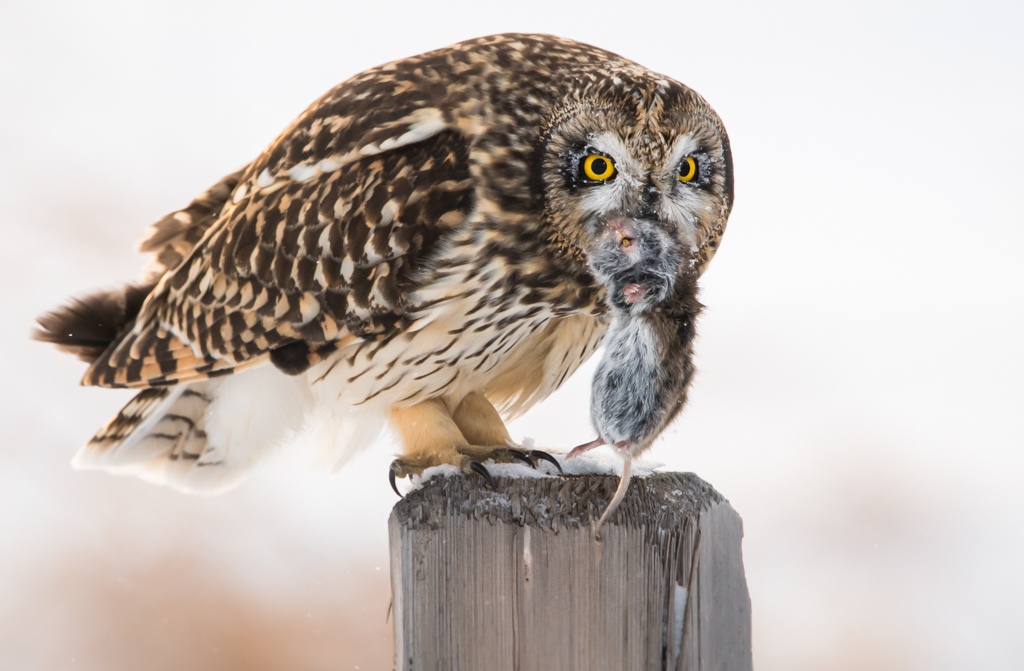
The short-eared owl? It likes the same habitat and the same-sized prey, but does its damage by day, showing off its jet-like acrobatics and its ability to remove the heads of prey – shorties would have fit right in during the French Revolution – before swallowing the body whole, or savouring each intestine, spaghetti-and-meatballs style.
But I digress.
Let’s get back to tiny owls.
Because they’re so small, their ranges are smaller and that allows each owl to focus in on specific prey that’s also tiny and limited in range.
Northern hawk owls and boreal owls both like the boreal forest, but the hawk owl is a daytime operator and takes the more open areas – like marshes, lakes and burned landscape. The boreal? It prefers dense forest cover at night.
The pygmy owl also likes the more open areas, but usually meadows at higher elevation. But rodents aren’t found in the same numbers at high elevations. Guess what is though? Songbirds. And because the pygmy can mimic the calls of songbird, it’s particularly skilled – lazy? – at bringing them in close and, um, keeping their numbers in check.
Another niche covered.
Which brings us to the saw-whet. Unlike the pygmy, 98% of its diet is rodents. Like the boreal owl, it also likes the night and the forest. But unlike the boreal, it wants some openness – like what you find in a deciduous forest rather than a dense coniferous forest. And, also unlike the hawk or boreal owls, who prefer the cold northlands, the saw-whet – like most people – also likes a bit of evening warmth and less precipitation.
It takes all kinds.
I mean, literally. It takes all kinds of owls, with different ear shapes and body-sizes, to manage the complex under world of rodents who, do play important ecosystem roles, like planting vegetation and fertilizing soil, but would collapse forests and water filtration systems if there were no owls to regulate them.
So long as an ecosystem is healthy, these owls can overlap their ranges – even be found on neighbouring trees – and not get their feathers in a knot about potential competition. They’ve each got their own 38 grams of food to catch per day.