
Estimated Read Time: 18 minutes
Can we save every species?
This class isn’t just theory; it’s not abstract.
This class is the foundation for understanding real issues in the real world – issues that affect you and me, today and tomorrow.
How so?
Well, for starters, it’s the first step towards understanding what it will take to truly balance the needs of people and nature.
Does that matter?
Well, this challenge is as pressing as it is interwoven with other issues we face – problems like economic insecurity, social justice and democratic health.
By finding a better balance between people and nature, we can create a ripple effect of understanding and possibility to tackle other, at times, more divisive issues in our society.
Maybe you think: This isn’t a hard challenge – the solutions are obvious.
Yet nothing is as easy as we assume it should be, in part because even when we think problems are black and white – good versus evil – they rarely are. Almost every issue is maddeningly complex, made all the more difficult when emotions like uncertainty, anger, hopelessness and fear are added to the mix.
And about now, you might think, well, none of this is actually my problem. And it probably shouldn’t be. But it is.
You see, not only are decisions being made today that will directly affect your future, right now, you are also entering your years of peak creativity.
As Ilona Dougherty argues, “young people from 15 to 25 are at the height of their lifetime ability to be creative, to be innovative. All these incredible abilities peak during that time of life, and they have the full intellectual capacity of adults. We underestimate young people all the time and we need to stop doing it.”
 Ilona knows better than most. She co-founded Apathy is Boring as a student and is the co-creator of the Youth & Innovation Project at the University of Waterloo. Her ground-breaking research has proven that your ideas, with help and refinement, are the very ideas that can help us create that better balance – that better tomorrow.
“The research is very clear,” Ilona says. “For young people to grow up to be healthy, engaged adults, it’s all about having a sense of purpose and having an opportunity to make impact.”
In other words, you might feel that you’re just one student, without the power or influence to determine how late you can stay out on the weekend, let alone solve the world’s problems, but the reality is quite different.
As Ilona explains, “The only way to be a change maker is to be a change maker while you’re young.”
That’s right: You’re powerful because of your age. You can solve any problem we face because of your creativity.
“Young people have unique abilities while they’re young that society needs.”
Exactly, Ilona. And we all need your creativity. Right, Dr. Aleem Bharwani?
“Our most influential and impactful ideas will come from young people today who are growing up in this world.”
Adults – leaders – are so immersed in the problems we face they often can’t see the forest for the trees.
We need you to take a new look at old, if worsening, problems to see if there is something everyone else has missed. We need you to understand how hard truths collide and find ways to do better by different peoples and different communities – do better for more people and for nature.
Because we can all agree that we need to do better.
Discuss
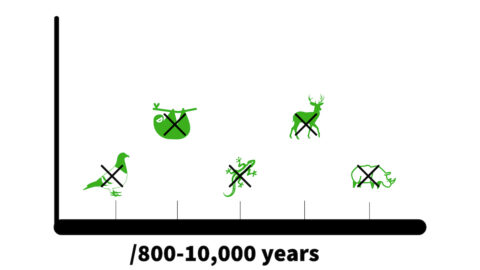
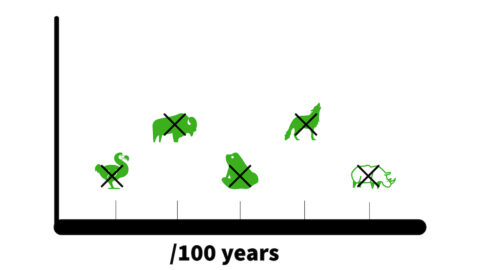
There’s no shortage of ideas of how to take action to safeguard our biodiversity – how to save our species in decline. But guess what we are short on? Time and money.
And that was the case before COVID hit.
The pandemic? It’s not made the situation any better.
But we do know how much it will cost to save biodiversity globally.
The final bill? It could be as little as $125 billion dollars a year.
That might sound like a staggering amount, but it equates to roughly a third of what just our government spends in a given year. If every government in the world pooled their resources? Yes, we could afford the bill, even if the true cost is determined to be much, much higher.
However, not every government will help pay the bill. And then there is the question of whether some countries should pay more of that bill than others, given the out-sized role they’ve had in species decline. That question, even if fair, might cause a country to balk – it might raise the price beyond their means.
Look, it gets complicated fast.
And it gets even more complicated when you begin to realize that some countries – like Canada, because of our vast land mass – will need to do more than the average country to save biodiversity. That’s a hard sell.
Then there’s this:
Some species will be easier to save than other species, in part because the cost of saving each species will vary. Some will cost mere hundreds of thousands to recover, while other species will cost hundreds of millions.
Why?
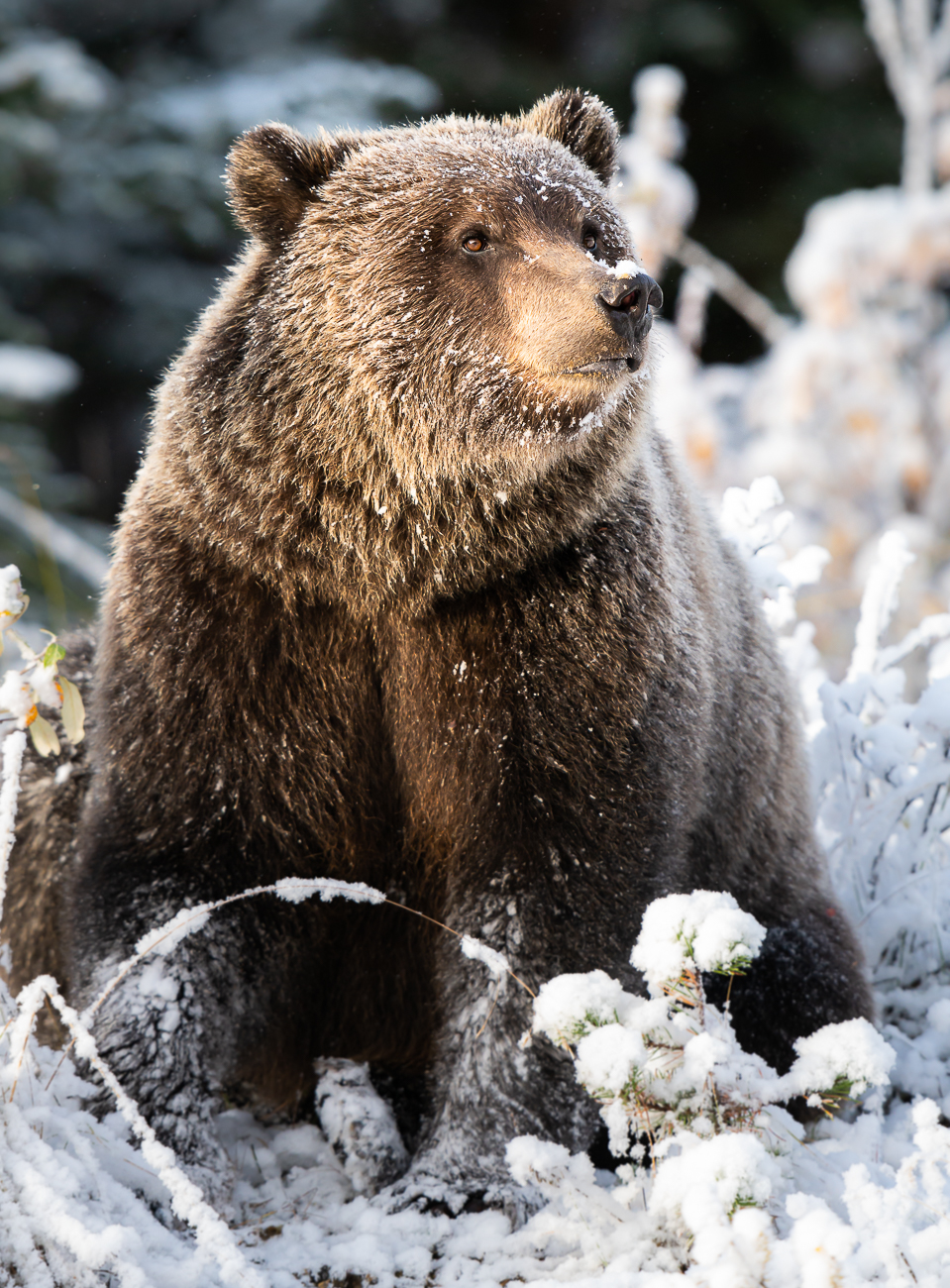 Many reasons, but here’s a critical one to ponder: Some species are simply considered to be of special concern – grizzly bears, for example.
What does that mean? Famed bear biologist Dr. Stephen Herrero explains.
“Certain populations are definitely vulnerable. And what we’ve seen in North America is a shrinkage of grizzly bear populations into more and more core habitat.”
But even though certain populations are endangered, Stephen says “grizzly bears as a whole in Canada are surviving and probably will do so for a few decades.”
In other words, grizzly bears in Canada won’t be going extinct tomorrow, but their future is far from secure. Yet because grizzlies aren’t on the brink, we have a real chance to protect them, Stephen tells us.
“Co-existing with bears by virtue of understanding their needs, spending the money that it takes to interface people’s needs and desires with grizzly bears is essential. Whether we continue to do that with more and more people where bears are? That remains to be seen.”
Whether we will spend the money – allocate precious financial resources – to save a species that isn’t on the brink is an open question, given that so many other species are in such dire shape. And maintaining grizzly bear populations is expensive work, as Stephen outlines.
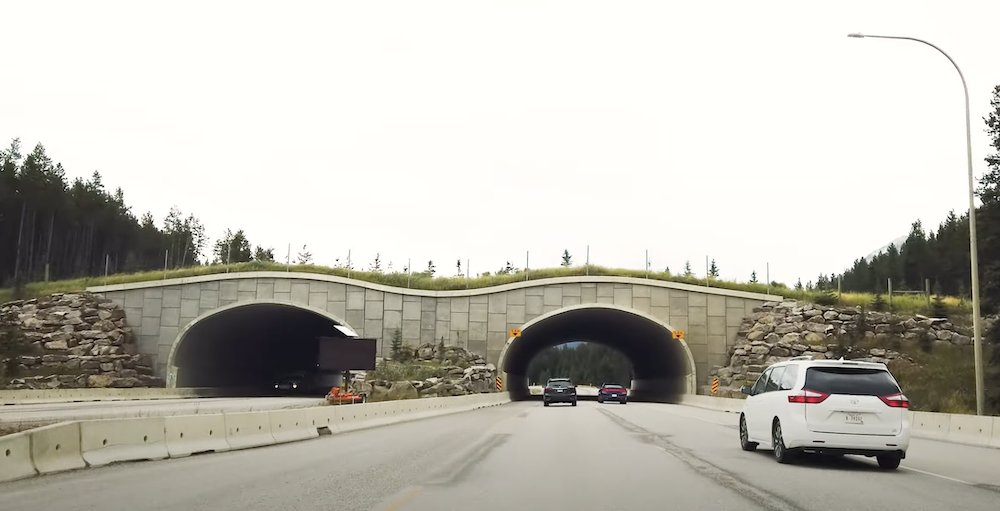 “For example, in Banff National Park, look at all the underpasses and overpasses and the millions of dollars it has taken to build and maintain them. They’re there to decrease grizzly bear mortality, and also to provide a way for different portions of the population to keep genetically connected.”
But the cost to save grizzlies will only go up if we wait, Stephen continues.
“You don’t get any giveaways with a species like grizzly bears.”
Why? Stephen says, “they’re one of the more difficult species to maintain. If the population is under stress at all, because they have very large home ranges, it’s not easy to keep grizzly bear populations alive.”
In other words, Stephen thinks we need to take advantage of a good deal when it’s presented: We should act now to save grizzlies when the price tag is mere millions, saving us potentially hundreds of millions if we punt hard decisions down the road.
Moreover, as biologist Sarah Ramirez tells us, when we spend the resources to help grizzlies, we get incredible bang for our buck.
“When you look at a grizzly bear and you protect the habitat of that one grizzly bear, you’re actually protecting the habitat of all the other species that it comes into contact with too. You’re helping what it eats, what it preys on, what it defends from its territory – the wolves, the ravens – everything that it works in co-existence with.”
Think about it: As we save big, far ranging charismatic megafauna like the grizzly, we learn more lessons about how best to save species; we become more efficient at doing our job of conserving species; and we undoubtedly will be able to save some other species while trying to save, say, the grizzly bear.
That matters, according to former prime minister Kim Campbell. Not just because it saves us money, but because “what people also want is hope. (We need) things that people can be mobilized around, like species preservation.”
And yet there is less hope for other species that are closer to the brink of extinction.
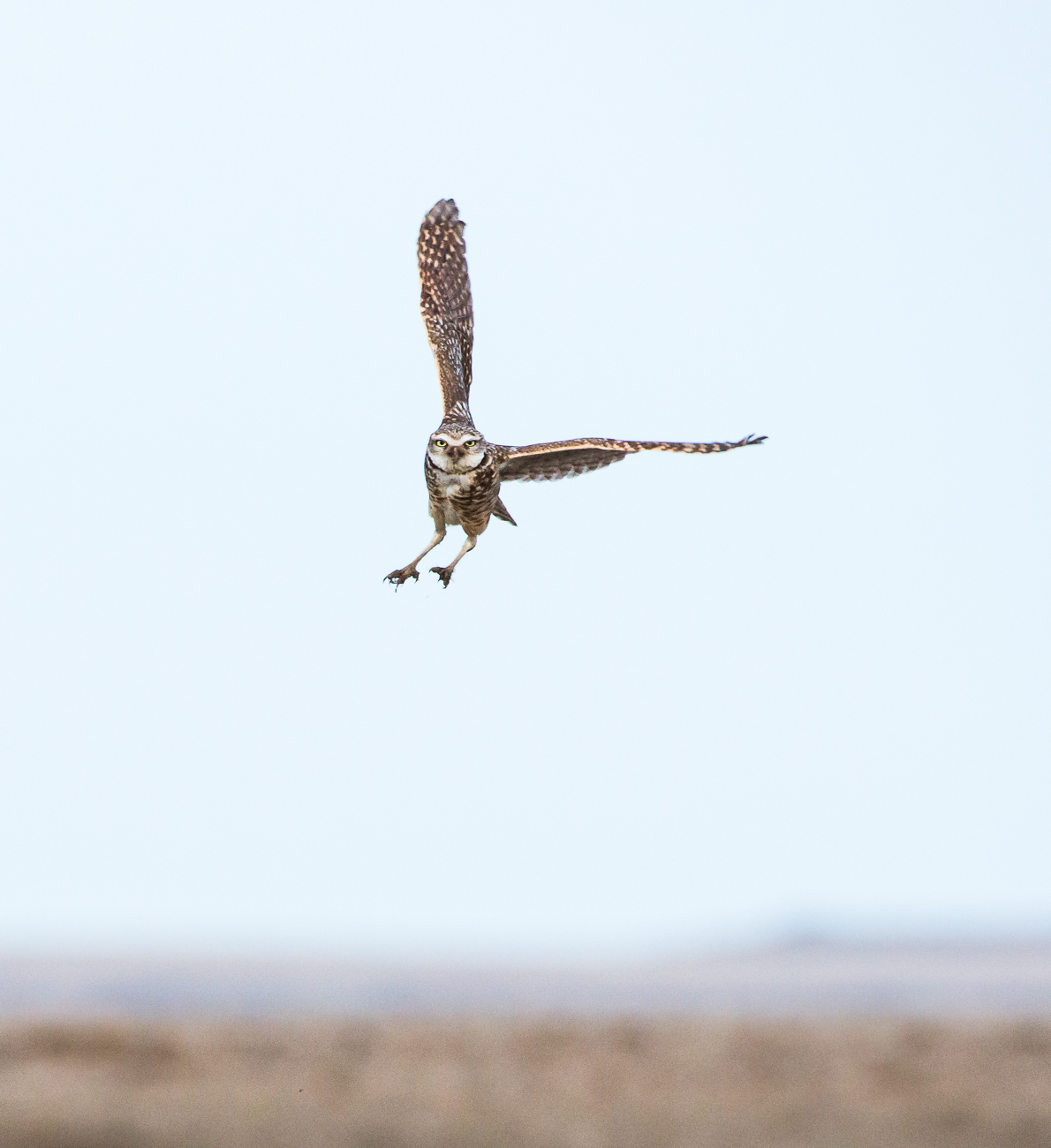
The northern spotted owl? Fewer than 10 remain. The southern resident killer whale? There are fewer than 100 left in the world.
To save these species? It’s going to be very expensive.
You see, it’s a truism that the fewer animals remaining in a population – within a regional or global system – the more expensive it will be to recover that species.
But here’s the thing: It’s also a truism that cost won’t be going down; the longer we leave it, the more expensive the problem will become.
And the more expensive the problem? The less likely we are to actually spend the money to protect a species at risk.
Which begs the question: Why do we hesitate to act? Why do we leave species protection to the last minute?
Barbara Cartwright thinks she has the answer: “Because I think it is abstract to us until it happens to us.”
Barbara is the CEO of Humane Canada and she believes extinction is hard to comprehend. Consider the extinction of the western black rhinoceros, Barbara tells us.
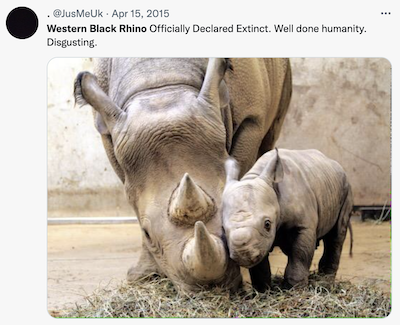 “Everybody was writing on social media about how terrible it was that this last rhino had died, but people have been sounding the bells for decades that that was exactly what was going to happen and we just kept letting it happen. But then everybody – the average person – seems to get on board with this (grief). I’m not questioning that they were really feeling grief about it…but they never stood up to make it stop.”
Why did we do nothing?
“One of the things that I’ve seen happen that’s very interesting is that people will get very deeply moved by extinction. (Then) they start to get into it and they start to realize just how big the problem is and they literally shut down. They can’t seem to take in the enormity of the multiple ways that animals are suffering in our world and then they turn away”, Barbara says. “But then the one rhino dies and it’s sad. You know what I mean? It’s something they can hold on to without having to feel like they have to take on the entire world, which seems structured against animals.”
 Barbara has spent most of her life trying to get people to care for animals – trying to stop extinction. And she believes we run the real risk of losing our most threatened species because “whether it’s extinction, whether it’s cruelty, we don’t stand up to make it stop. We don’t vote on this issue. People don’t go to the polls on it, so government doesn’t have to make it change.”
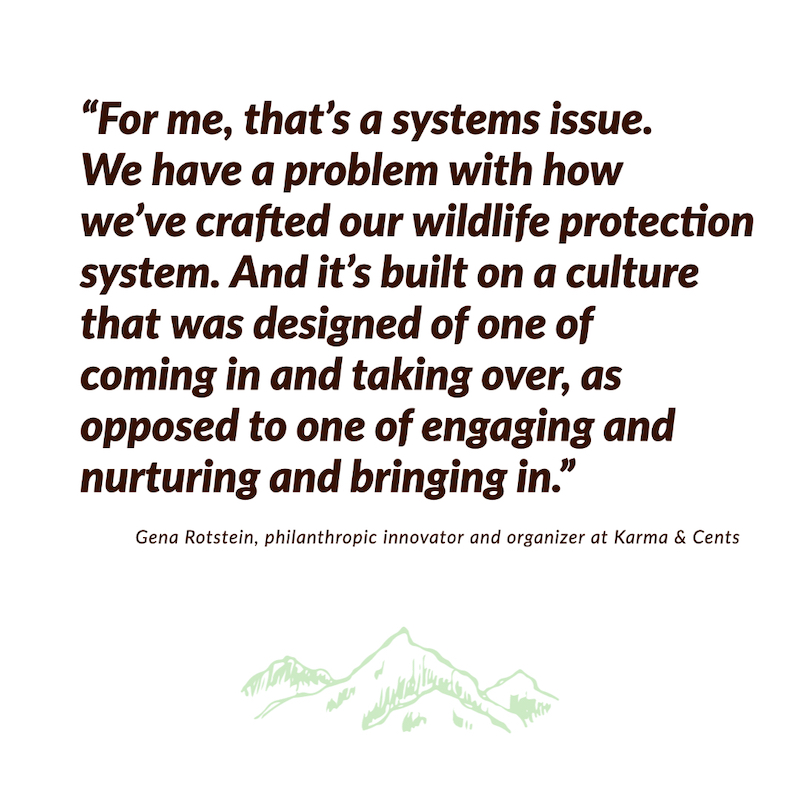
Barbara passionately believes we need to start caring for our species at risk – spending the resources to save them. But she adds “the enormity of the issues facing the environment – where we live, our world, our home – is monstrous. It’s so much easier to watch Netflix.”
It’s true. It’s easier to ignore the problem, so we do. And then it gets pricey and we balk at the price tag.
Discuss
Task
What do you think?
Terms & Concepts
Referenced Resources
* Quotes have been edited for brevity and clarity.