25%
Complete

Chapter Four

Hard Stuff is Hard

Part One

Decision-making isn't easy

Featured Hot Take

How do you solve complex problems and make better decisions? Well, Dr. Kerry Bowman might be able to help. He’s a world-renowned ethicist and quite possibly the most interesting man in the world. Kerry took the time to join us in conversation to discuss the art of decision-making.

We’re featuring this podcast across all five Nature Labs subjects. You might not like every course you take in school, but they are all related. By listening to this podcast, hopefully you’ll better understand why.

  • What do you think defines good ethics?
  • Do you agree with Kerry that good ethics is based on good science?
  • Do we do a good enough job of considering ethics in our scientific inquiries and decision-making processes?
  • When we talk about ethics, do we realize different regions and different people hold different ethical values? How should we weigh different ethical standards when making decisions?
  • What are the social, cultural, economic and biological ramifications of including ethics in our decision-making processes? What are the ramifications if we don't?
  • What role should ethics play in scientific research going forward?
  • How will you apply lessons learned in this story to this class and your life?

Part Two

THE FOLLOWING ACTIVITIES WILL HELP YOU BETTER UNDERSTAND THE CONCEPTS YOU NEED TO LEARN IN THIS CLASS. YOUR TEACHER WILL SELECT WHICH ACTIVITIES YOU NEED TO COMPLETE BELOW.

The Art of Decision-Making

Think decisions aren't hard? Try your hand at reaching a consensus agreement between divergent stakeholders.

Core Concepts

Learn more about natural selection and extinction, and understand why this knowledge matters when making decisions.

Problem Solving

Good scientific studies don't start with an idea, but rather with a focused question that requires solving. * Recommended

Genetic Evolution Lab

Explore the concept of evolution and how species genetics change over time. Learn from the teachings of biologist Verne Lehmberg.

Species Adaptation Lab

How do species adapt to a changing environment? Find out by learning from the teachings of biologist Verne Lehmberg.

Endangered Species Lab

What makes a species endangered and why might it go extinct? Learn from the teachings of biologist Verne Lehmberg.

Part Three

HOW DOES THIS CLASS RELATE TO REAL-WORLD ISSUES?

Inquiry Media

Does one individual matter?

Further Exploration

Latest News
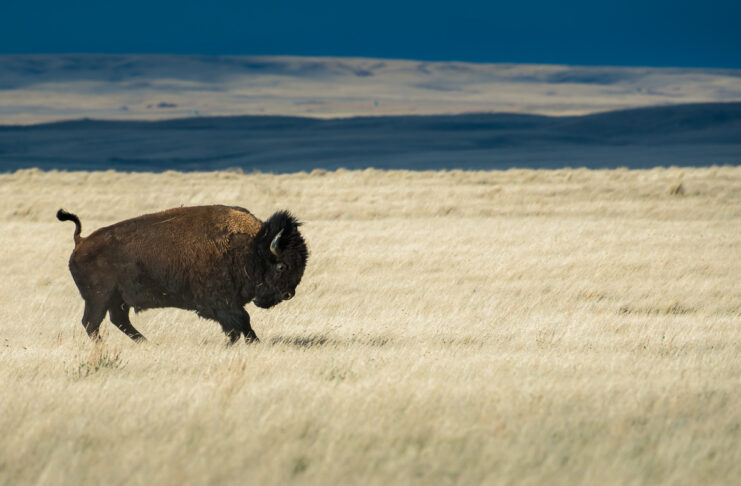
Canada at a Crossroads: Asking Better Questions for the Canada We Want

It was a pleasure to bring a taste of Nature Labs to the Victoria Forum, moderating a fascinating cross-partisan discussion with four Canadian MPs...

The Year We Lived, The Future We Saw

At the start of the year, you may have examined major global and national events and made predictions about what might come next with...

Resources From the Curated Library

We don’t need to save endangered species. Extinction is part of evolution.

Bias: Centre Right Sub-Category: Natural Selection Source: Washington Post File Type: Essay Overview: Why saving endangered species doesn't...

One in eight bird species is at risk of extinction: report

One in eight bird species is at risk of...

Natural Selection & Extinction

Want to know more about natural selection? Evolution? Extinction? The threat posed by invasive species? How about umbrella and keystone species? We've got you...

Additional Resources

Chapter Two

The Context of It All

Chapter Three

We Don’t Know What We Don’t Know

Chapter Four

Hard Stuff is Hard

Chapter Five

Here’s How

Chapter Six

Your Turn

Chapter Seven

Dig Deeper

Chapter Eight

Be Better

Chapter Nine

Own Your Hypocrisy

Chapter Ten

Keep Going

Chapter Eleven

One Last Thing

Chapter Twelve

The End (of the Beginning)